
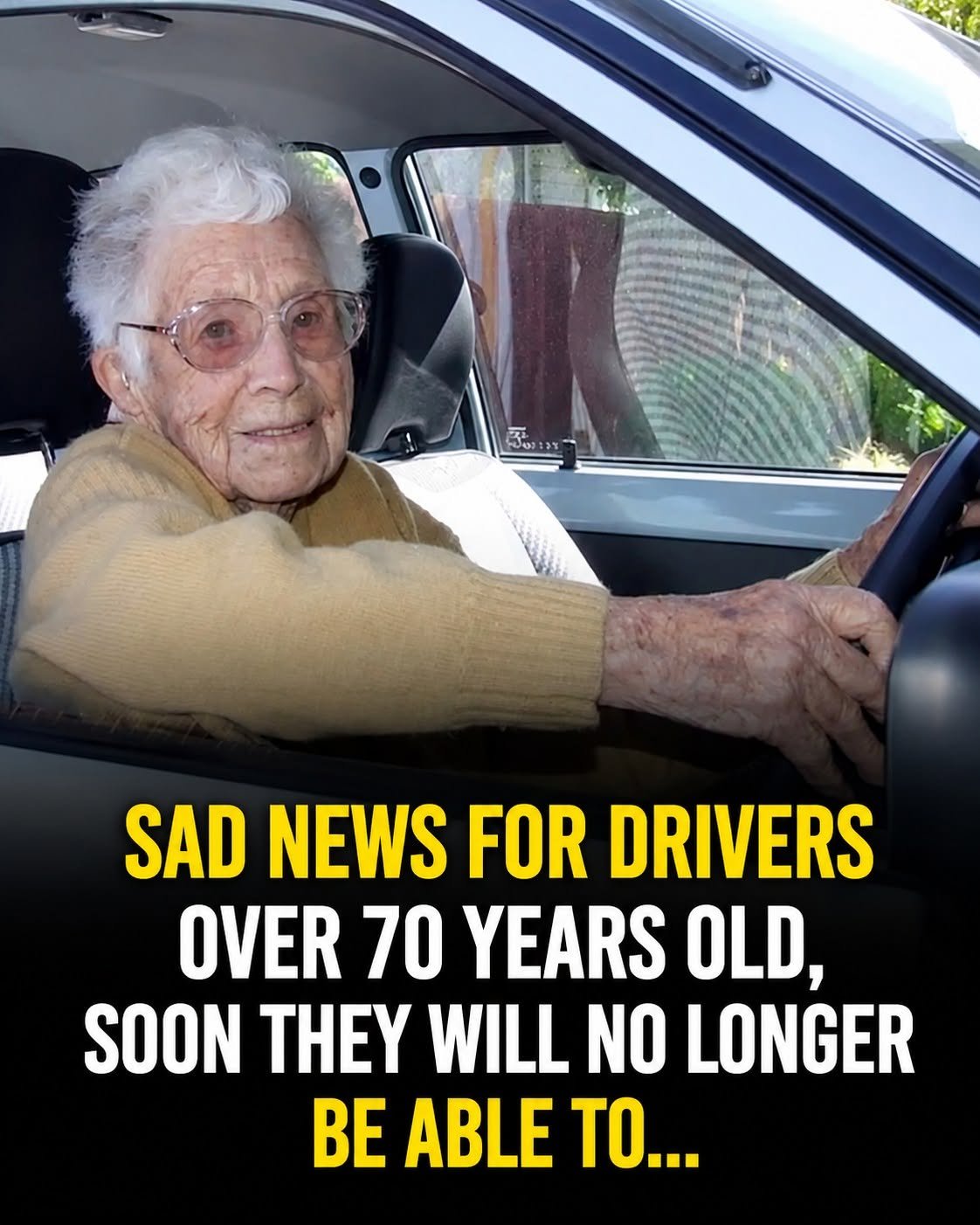
What Changes With Age?
Aging doesn’t affect everyone in the same way.
Some people remain confident and capable drivers well into their 70s, 80s, and beyond. Others may experience changes that make certain driving situations more difficult.
Common changes can include:
Vision
It can become harder to see clearly at night, notice objects in peripheral vision, judge distances, or adapt quickly when moving between bright and dark environments.
Glare from headlights can also become more uncomfortable.
Reaction Time
Responding to an unexpected pedestrian, cyclist, vehicle, or obstacle may take longer than it once did.
Even a small delay can matter when driving at higher speeds.
Flexibility and Strength
Turning the head to check blind spots, looking over the shoulder, getting in and out of the vehicle, or making quick steering movements can become more difficult.
Attention and Memory
Driving requires constant attention. A driver needs to monitor traffic, road signs, pedestrians, signals, and changing road conditions simultaneously.
Difficulty concentrating or becoming easily confused can make driving more dangerous.
Warning Signs You Should Never Ignore
One of the biggest mistakes families can make is waiting for a serious accident before discussing driving safety.
There are warning signs worth taking seriously.
These may include:
- Getting lost on familiar routes
- Frequently missing road signs or traffic signals
- Having repeated minor crashes or near-misses
- Scraping curbs, parked cars, or garage doors
- Becoming confused at intersections
- Taking unusually long to react to hazards
- Having difficulty changing lanes safely
- Experiencing problems judging distance or speed
- Receiving repeated concerns from family or friends
- Becoming unusually nervous or overwhelmed behind the wheel
One warning sign doesn’t necessarily mean someone must stop driving. But several changes together deserve attention.
Medication Can Also Matter
Sometimes the problem isn’t simply age.
Certain medications can cause side effects such as drowsiness, dizziness, blurred vision, confusion, or slower reactions.
Older adults are also more likely to take multiple medications, which makes it especially important to discuss potential driving-related side effects with a doctor or pharmacist.
A person should never stop a prescribed medication simply because they are worried about driving. Instead, they should ask a qualified healthcare professional whether the medication or combination of medications could affect alertness or coordination.
Simple Ways to Make Driving Safer
If an older driver remains capable of driving, a few practical adjustments may help.
Driving during daylight can be easier than driving at night. Avoiding heavy traffic or unfamiliar roads may also reduce stress.
Drivers can also:
- Keep windshields, mirrors, and headlights clean
- Have regular vision and hearing checks
- Leave extra following distance
- Avoid driving when tired
- Plan unfamiliar routes in advance
- Minimize distractions inside the vehicle
- Avoid driving when medication causes drowsiness
- Choose roads and times with less traffic when possible
A professional driving assessment can also provide an objective look at someone’s skills and identify areas that may need improvement.
When Should Someone Consider Giving Up Driving?
This is often the hardest question for families.
Stopping driving doesn’t have to mean losing independence.
If driving has become unsafe, families can explore alternatives such as rides from relatives, public transportation, community transportation programs, taxis, or other local services.
The goal should be to preserve mobility and independence safely, rather than focusing only on whether someone still has access to a car.
The Bottom Line
Being over 70 does not automatically determine whether someone is a safe driver.
What matters more is the individual’s vision, reaction time, physical abilities, concentration, judgment, health, medication effects, and actual driving performance.
For older drivers, regular self-assessment is important. For families, honest conversations can prevent a difficult situation from becoming a dangerous one.
The best time to discuss driving safety isn’t necessarily after an accident.
Sometimes, the smartest decision is simply recognizing when driving habits have changed—and taking action before something serious happens.
Il resto è nella pagina successiva
